

Key takeaways
- Play based learning is how young children naturally learn through exploration and interaction
- It supports cognitive, social, emotional and physical development at the same time
- A play based curriculum is intentional and guided by educators – not just free play
- These activities help children build essential skills for school and social readiness
- Parents can support play based learning at home through simple, everyday experiences
Many parents might think they know the answer to the question what is play based learning in early childhood, but may not always know what it means in practice. Early childhood education often looks very different from traditional classroom learning, and for good reason. Young children learn best through curiosity, exploration, and interaction rather than structured lessons.
Play is not just fun or downtime. It is an intentional approach used in early education centres to support children’s development across multiple learning domains. Through play, children learn how to think, communicate and build confidence at their own pace. This approach reassures families that children can develop a strong basis for future academic success without pressure, using a method that feels natural and engaging.
What is play based learning in early childhood?
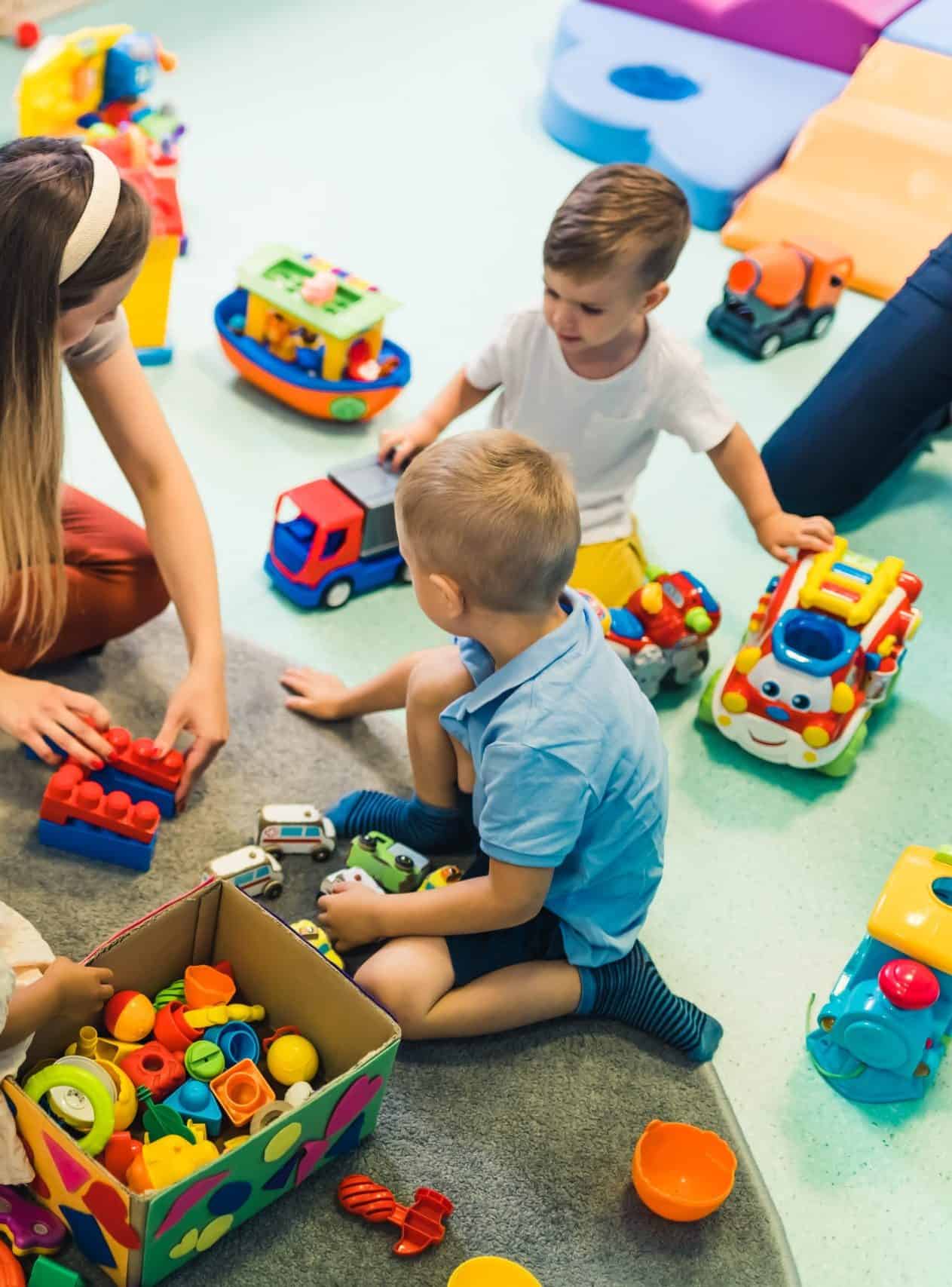
Play based learning is an approach in early childhood education where children learn through exploration, hands-on experiences and interaction with others. Instead of formal lessons, children play, investigate ideas and experiment with materials in a way that supports their own learning.
In this environment, educators design experiences that encourage children to explore, ask questions and solve problems. For example, children may build towers, engage in imaginative play, or explore sensory materials like sand and water.
This approach recognises that children learn best when they are active participants, allowing them to engage deeply with new knowledge, make sense of their surroundings and develop essential cognitive skills. The importance of play based learning is that it supports holistic development by combining thinking, social interaction and creativity in one experience.
Why play is such a powerful way for children to learn
Play is a powerful tool because it supports multiple areas of development at the same time.
From a cognitive development perspective, activities like puzzles, sorting, and construction play help children explore patterns, solve problems and build problem-solving skills. These experiences also support children as they learn to face challenges and test ideas.
Socially, when children play with other children, they develop essential social skills such as sharing, cooperation and conflict resolution. Through social interaction, they learn how to build friendships and understand different perspectives.
Language development also grows naturally through play. Whether through storytelling, singing songs or dramatic play, children expand their vocabulary and communication skills.
Emotionally, play supports emotional development by helping children develop empathy, resilience and confidence. It creates a safe learning environment where children can try new ideas without fear of failure – supporting lifelong learning and positive attitudes toward education.
What does a play based curriculum look like?
A play based curriculum is carefully planned and guided by early childhood educators – it is not unstructured play. Educators create a learning environment that supports curiosity, exploration and development across various learning domains.
They observe children’s ideas and interests, then use intentional teaching strategies to extend learning. This child-directed approach allows children to learn at their own pace while still being supported.
Common areas within a play based learning environment may include:
- construction and building spaces
- creative art areas
- sensory play stations
- outdoor exploration areas
- dramatic play and imaginative play spaces
Children move between these spaces, developing skills across cognitive development, physical development and social skills.
Educators act as intentional teachers – asking questions, introducing new materials and guiding children to explore further. This ensures the play based curriculum still supports literacy, numeracy and communication in meaningful ways.
Examples of play based learning activities
Play based learning activities can take many forms, each supporting different aspects of development.
Pretend play
Children act out real-life situations like cooking or shopping. This supports emotional growth, communication and social interaction.
Building and construction play
Using blocks or loose materials encourages children to solve problems, explore balance and develop spatial awareness.
Sensory play
Activities involving sand, water or textured materials provide sensory experiences that support fine motor skills and cognitive development.
Creative play
Drawing, painting, music and movement allow children to express ideas and develop imagination.
These play based activities often support multiple skills at once – helping children learn, explore and build new understandings through hands-on experiences.
The educator’s role in play based learning
Early childhood educators play a key role in supporting play based learning. While children lead their own learning, educators guide the experience to deepen understanding.
They observe how children play, then introduce new ideas or materials to extend learning. Open-ended questions are a key part of intentional teaching strategies. For example, educators may ask what might happen next or encourage children to test their thinking.
Educators also support children to collaborate, resolve conflicts and engage with others. This balance of guidance and independence ensures children remain naturally curious while continuing to develop essential skills in a supportive environment.
How play based learning supports kindergarten and school readiness
Play based learning supports future academic success by building the foundations children need before starting school.
School readiness is not just about reading or writing – it is about confidence, independence and social skills. Through play, children practise communication, listening and cooperation with other children.
They also develop problem solving, emotional regulation and the ability to engage in a structured learning environment. These skills help children feel comfortable and capable as they transition into kindergarten.
By allowing children to learn through play, early years education supports a smoother and more positive start to formal schooling.
Supporting play based learning at home
Parents can easily support play based learning at home by creating opportunities for open-ended play.
Simple activities like building with blocks, drawing, imaginative play or sensory play can support children’s learning. Everyday experiences such as cooking, gardening or storytelling also provide valuable hands-on learning moments.
There is no need for expensive toys or structured lessons. The key is allowing children to explore, follow their interests and learn through play in a relaxed environment.
Supporting children in this way helps reinforce the benefits of play based learning beyond early education centres.
Play is one of the most natural and effective ways children learn
A play-based approach encourages curiosity, builds independence and supports well-rounded development throughout early childhood.
By allowing children to explore, interact and discover at their own pace, this approach builds strong foundations for lifelong learning and future academic success. It also helps children develop essential social skills, confidence and emotional resilience.
Want to know how play-based learning supports growing minds? Reach out to SunRise Kids and discover their approach to early education.